To truly understand Balinese culture, you have to taste it — and few traditions carry as much meaning on a single plate as the megibung. Originating in the eastern regency of Karangasem, this is not simply a meal. It is a ritual of community and equality, one that has survived centuries precisely because it makes everyone at the circle equal.
A Royal History
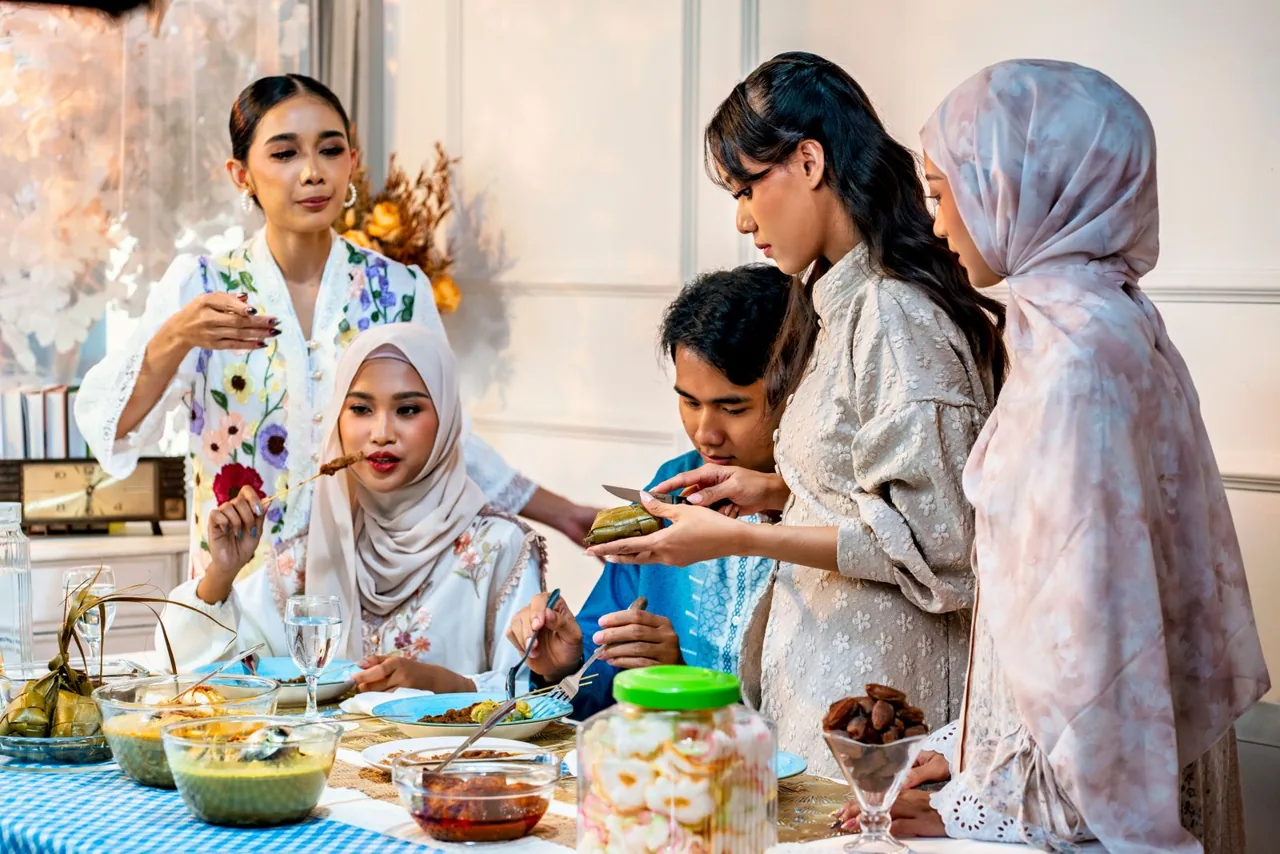
The tradition is said to have been started by the King of Karangasem in the seventeenth century as a way to bond with his soldiers during a military campaign. Rank was set aside; commander and foot soldier ate from the same spread. Today the custom endures at festivals, temple ceremonies and family gatherings. Diners sit cross-legged in a circle around a great mound of rice laid out on banana leaves, sharing side dishes of meat, vegetables and sambal placed within everyone's reach.
That circular geometry is the whole point. There is no head of the table, no better or worse seat. Everyone leans in toward the same centre, and the meal becomes a small, edible model of the community it feeds.
The Etiquette of Sharing
Eating megibung style comes with its own quiet rules, and observing them is part of the pleasure. You eat with your right hand only. You never return food from your mouth to the shared pile. And — most telling of all — you do not finish and leave the circle until everyone else has finished too. To rise early would be to break the equality the meal is built on.
The effect is a lesson in pacing and mindfulness. You eat a little more slowly, watch the others, match their rhythm. In a world of rushed lunches, that enforced patience feels almost radical.
Where to Try It
While megibung is traditionally a ceremonial affair, a number of high-end Balinese restaurants now offer a refined, "epicurean" version of the feast for guests. It is a wonderful way to sample dozens of local flavours in a single sitting — lawar, the spiced mince bound with grated coconut; sate lilit, minced fish satay moulded onto lemongrass skewers; crisp-skinned pork and fiery sambals. Share it with a group, follow the etiquette, and you will taste not just the island's food but a little of its philosophy.