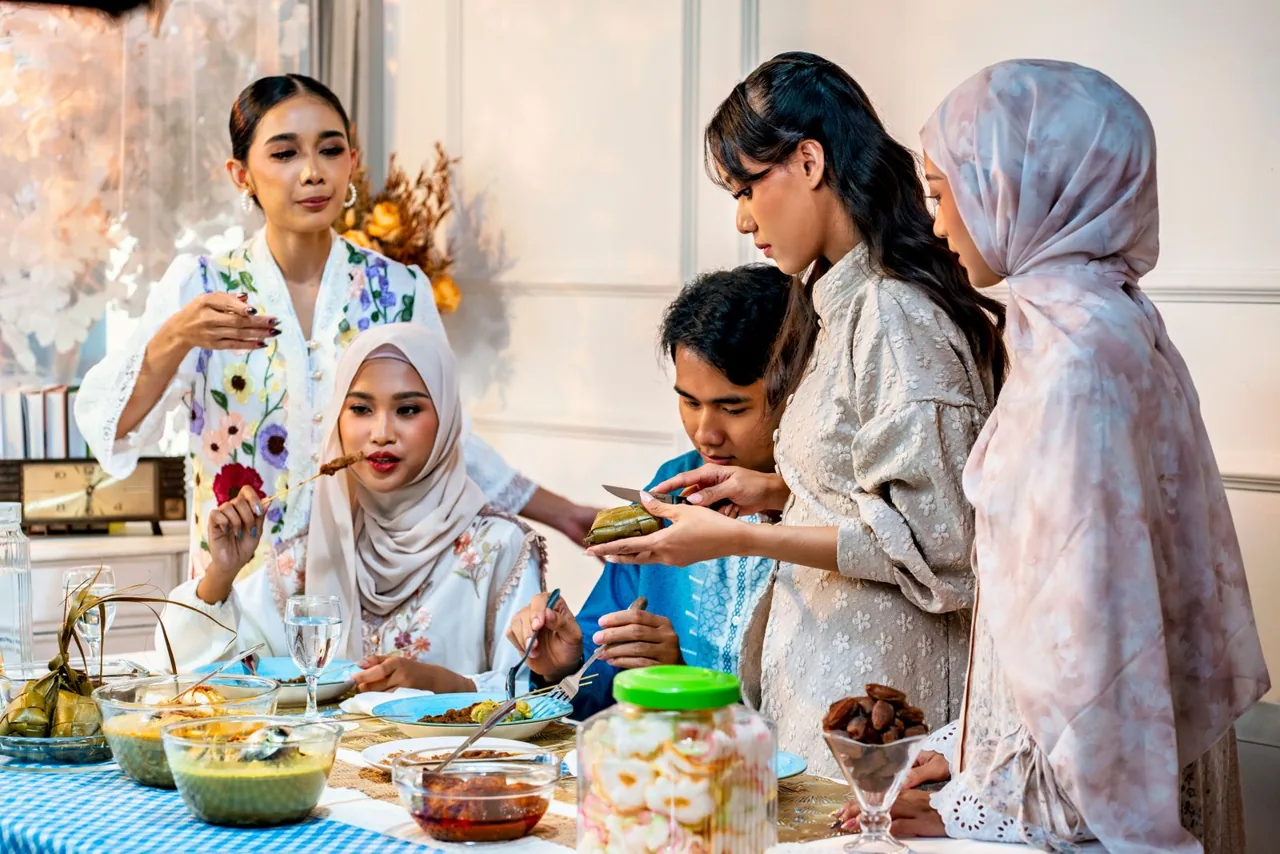
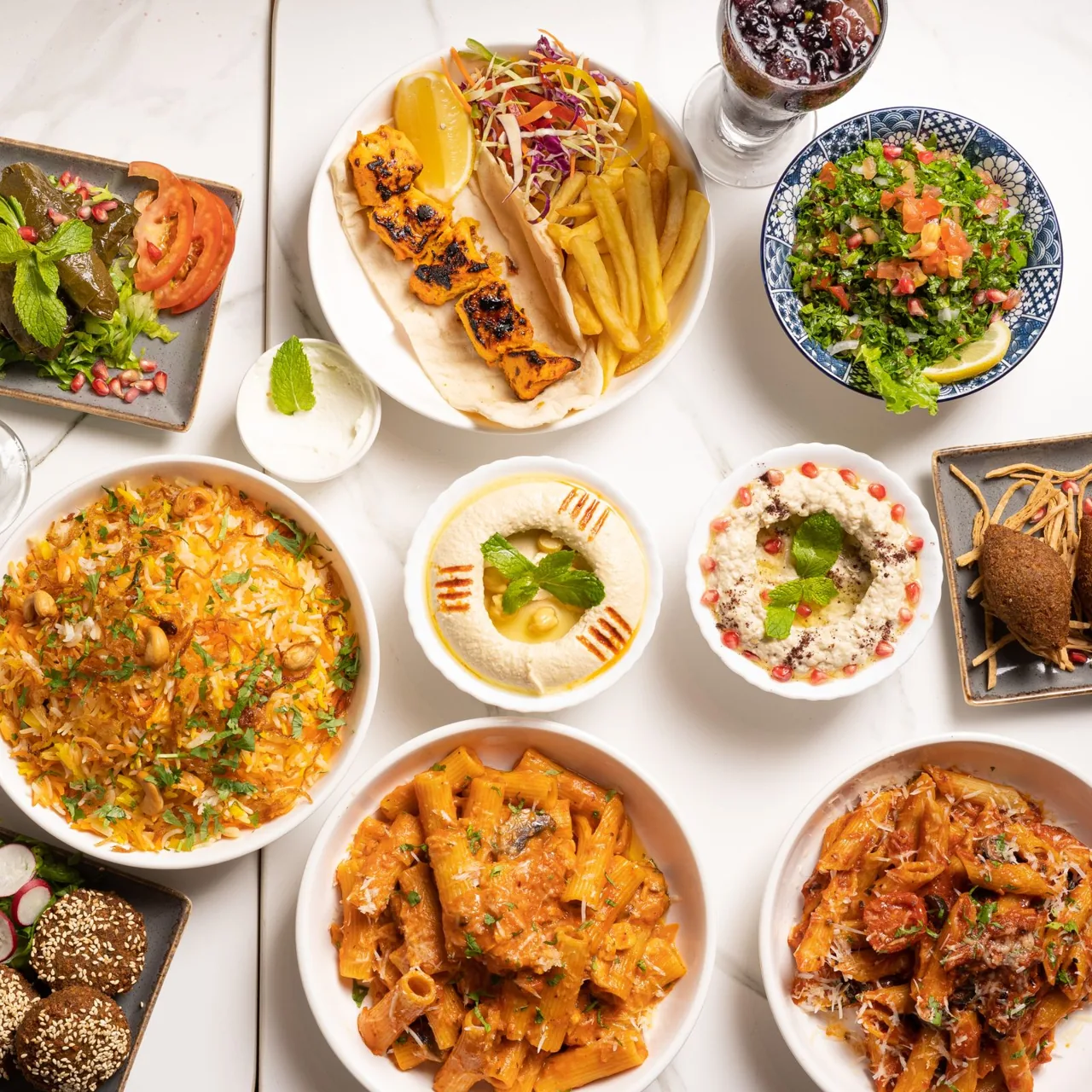
Few meals announce themselves quite like a rijsttafel. The word is Dutch for "rice table," and the sight is unforgettable: a bed of rice at the centre, ringed by a dozen or two small dishes, each one a different colour, texture and heat. It is less a dinner than an edible atlas of the Indonesian archipelago, and eating one properly is a small art worth learning.
A Colonial Invention With Local Roots
The rijsttafel took shape in the Dutch colonial era, when plantation hosts wanted to show off the sheer breadth of the islands' cooking to visitors in a single, theatrical service. The format was European in its staging but wholly Indonesian in its substance, drawing dishes from Java, Sumatra, Bali and beyond. Today it survives less as a colonial relic than as a celebration — a way for a kitchen to display its range and for a table of guests to graze across the whole country at once.
Reading the Table
The pleasure of a rijsttafel lies in contrast, so a good one is built for balance rather than abundance alone. Expect to find:
- Rich, slow-cooked centrepieces such as beef rendang or braised chicken in coconut;
- Grilled satay with peanut sauce, and fried morsels for crunch;
- Cooling vegetable dishes — gado-gado, urap, blanched greens with grated coconut;
- A battery of sambals, from mild to genuinely fierce, to be added drop by drop;
- Crackers, pickles and fresh herbs to reset the palate between bites.
The rice is not a side. It is the neutral ground on which every other flavour is assembled, spoonful by spoonful, to your own taste.
How to Eat One Well
Resist the urge to load your plate at once. The whole design invites you to build small, deliberate combinations: a little rice, a spoon of rendang, a smear of sambal, a cooling forkful of vegetables to follow. Pace yourself — a proper rijsttafel is a marathon dressed as a buffet. Start mild and let the heat climb as your palate adjusts. Done thoughtfully, it is one of the most generous ways to eat in Bali: a single sitting that leaves you feeling you have travelled the length of Indonesia without leaving the table.