Long before the beach clubs stir, another Bali is already wide awake. In the half-light before six, the island's traditional markets — the pasar — are at full roar: motorbikes stacked impossibly high with greens, fishmongers laying out the night's catch, grandmothers pressing you to smell a handful of just-picked lemon basil. For anyone who cares about food, a dawn market run is the most honest introduction to the island there is.
Why the Pasar Comes First
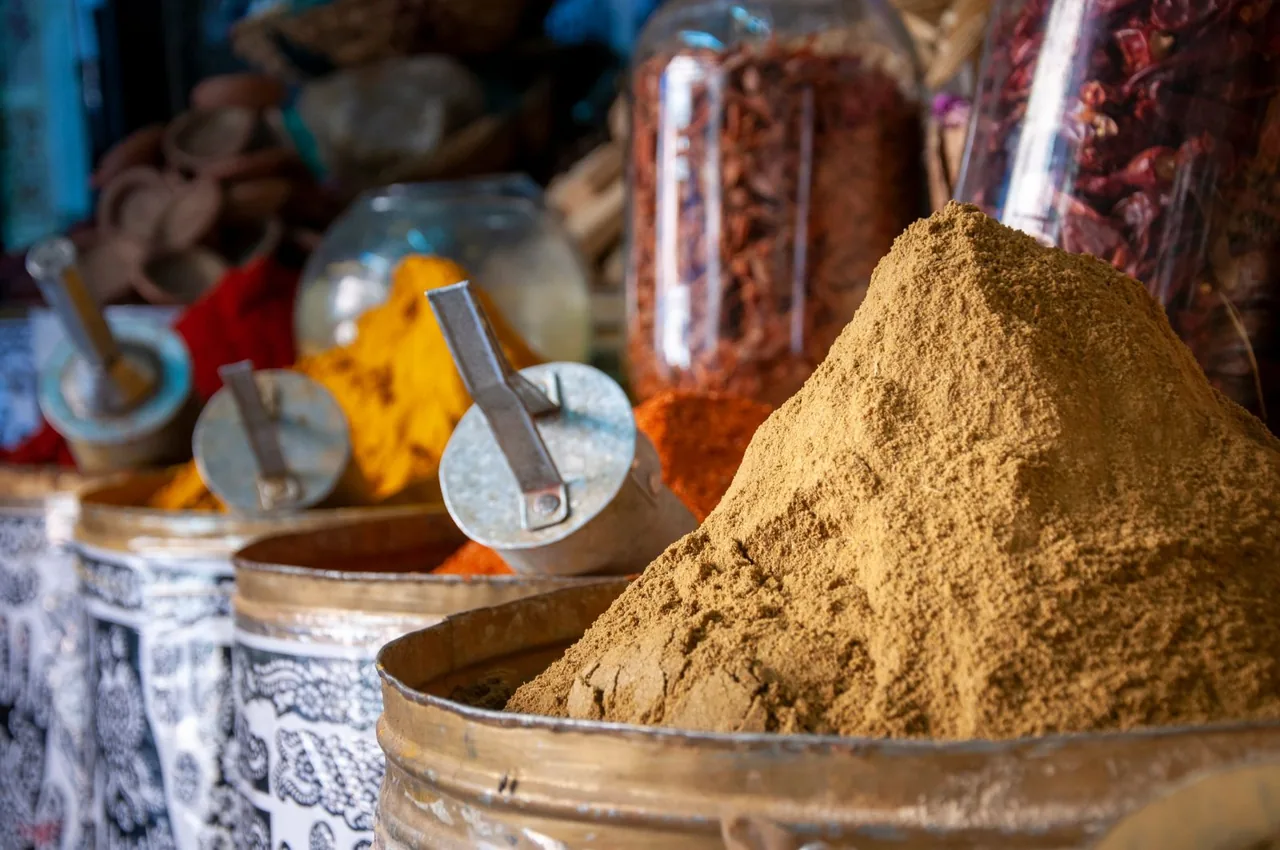
Balinese cooking is built on freshness, and freshness has a schedule. The best produce is gone by mid-morning, which is why serious cooks — villa chefs included — do their shopping when the stalls first open. Arrive early and you will see the whole supply chain in miniature: the farmer down from the hills with a sack of galangal, the woman who does nothing but grate coconut to order, the spice seller whose blends no supermarket can match.
What to Look For
Let your senses lead. A good market rewards the curious shopper:
- The rhizome stalls — turmeric, ginger, galangal and kencur, sold muddy and fragrant;
- Mountains of shallots, garlic and bird's-eye chillies, the backbone of every paste;
- Fish laid on ice or banana leaf, gills still bright red if it is truly fresh;
- Tropical fruit at its peak — snakeskin salak, mangosteen, sweet local bananas;
- Ready-made sambals and freshly ground spice pastes, sold by the ladle.
How to Shop Like a Local
Bring small cash and a cloth bag, and do not be shy. A little haggling is expected and good-natured, though the sums are usually tiny — a smile goes further than a hard bargain. Buy fish first, before the day warms; buy fruit last, so it is not bruised in your bag. If you are staying somewhere with a kitchen, ask a stallholder how they would cook what you are buying, and you will get a recipe more authentic than any cookbook. Leave with a full basket and the particular satisfaction of having met your dinner while it was still at its best.