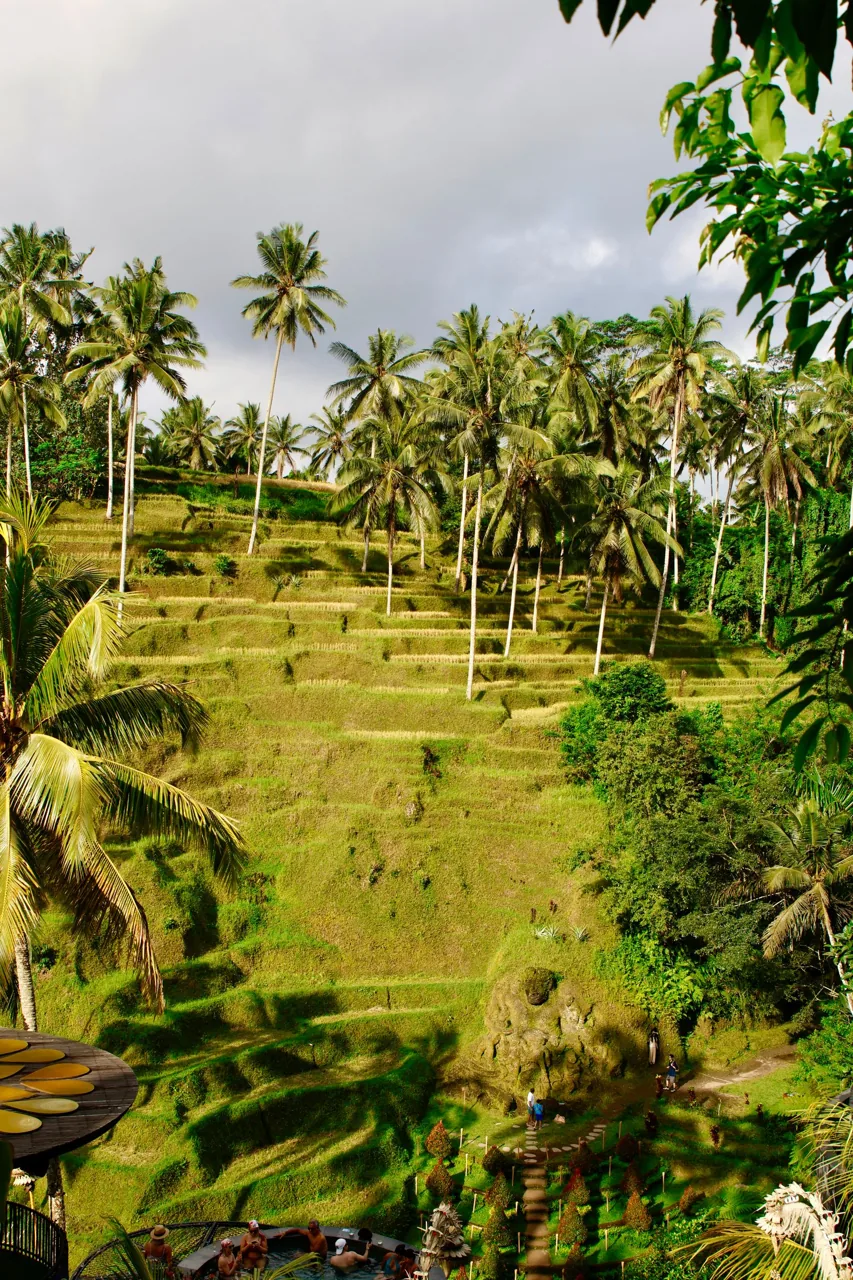
Drive an hour inland from the coast and Bali changes character entirely. The air cools, the traffic thins, and the land folds into the emerald staircases of the rice terraces. This is Ubud — the island's cultural heart and, increasingly, the place where its most thoughtful cooking is happening. Here, "farm-to-table" is not a marketing phrase. It is a description of the walk from the field to the kitchen.
Where the Distance Is Measured in Metres
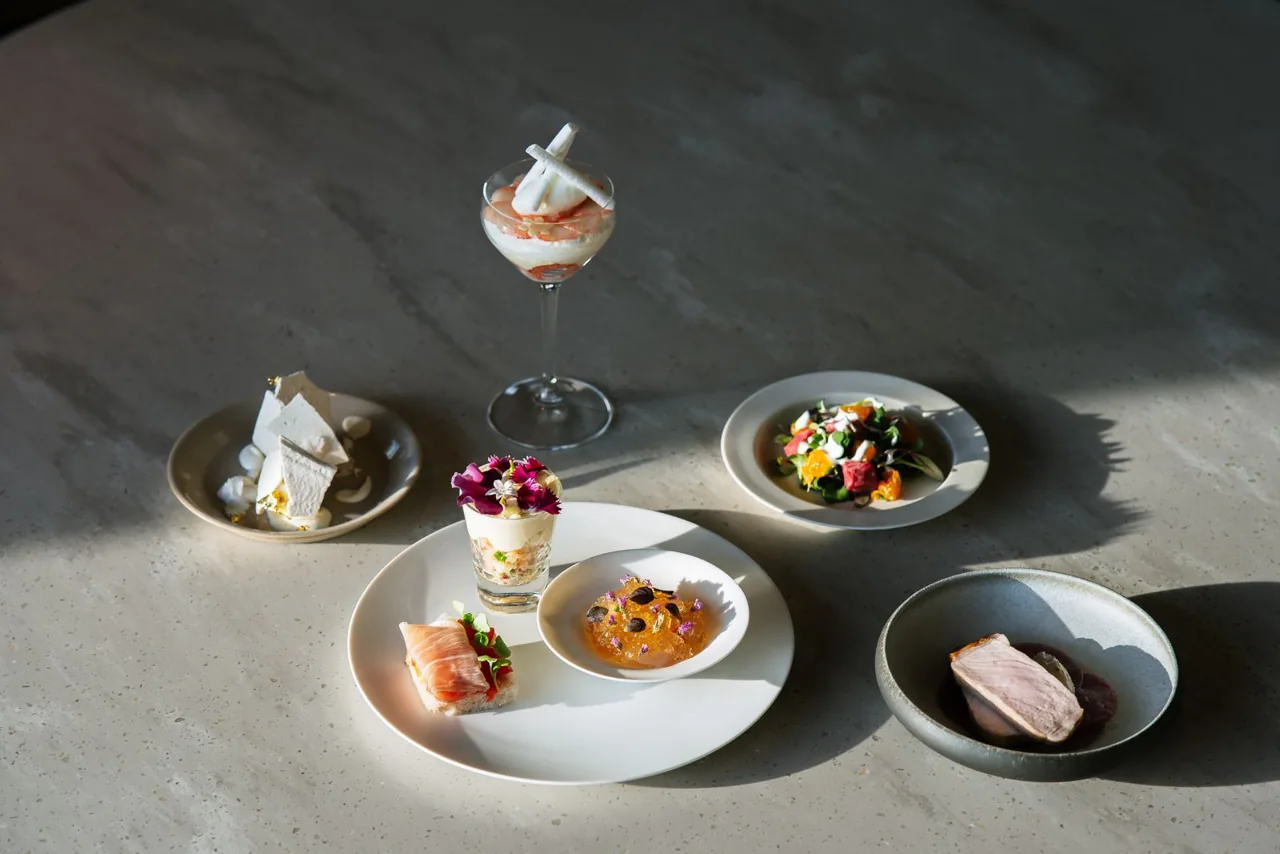
The highlands around Ubud have grown food for a thousand years, terraced and irrigated by the subak system of water temples that UNESCO now protects. That deep agricultural fabric is exactly what makes the region's restaurants special. Many of the best sit on or beside working farms, drawing herbs, greens and edible flowers from beds you can see from your table. When the salad arrives, it may have been growing an hour earlier.
The Growers Turned Restaurateurs
What sets Ubud apart is who is doing the cooking. A wave of chefs — some Balinese, some transplants who fell for the place and never left — have built kitchens around their own gardens rather than around a supplier's delivery van. Menus shift with what is ready to pick. A glut of long beans becomes a lunch special; the first jackfruit of the season dictates the dessert. It is a slower, more honest way to run a restaurant, and it produces food with a clarity of flavour that is hard to fake.
How to Eat Ubud
Come hungry and come curious. Lunch is often the highlight here, timed to the soft light over the paddies; book a table on the terrace edge and let the view do half the work. Ask what was harvested that morning and order around it. Many kitchens lean vegetable-forward, so this is the place to discover how good Balinese cooking can be without meat at its centre — the vegetables are the point, not the compromise. Finish with a pot of local coffee or a cup of the region's herbal jamu, and you will understand why so many travellers say they came to Ubud for a night and stayed for a week.